
A recent study published by ScienceDaily, based on international research, showed that protection against more severe forms of dengue does not rely solely on antibodies, but primarily on the action of so‑called T cells, also known as T lymphocytes.
T cells are part of the immune system and help the body fight the virus from the inside out. Rather than preventing the virus from entering the body, as antibodies do, T cells identify cells that are already infected and act to limit the progression of the disease.
In practical terms, the study found that people who have previously had dengue develop a stronger T‑cell response, which helps reduce the risk of severe illness in future infections.
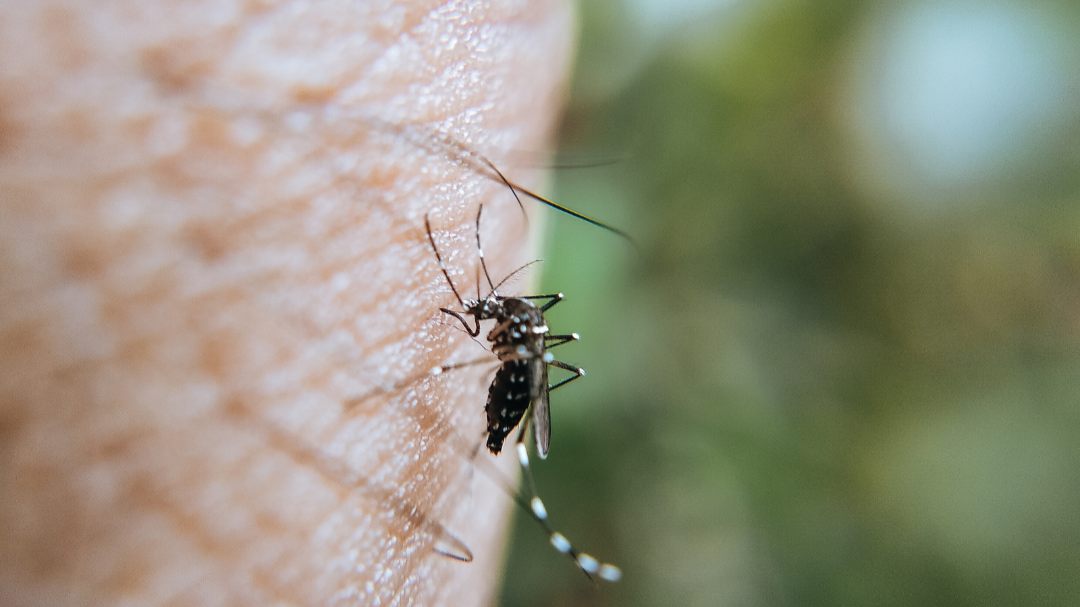
However, this finding also raises an important point of attention. This type of protection only develops after exposure to the virus, meaning after a mosquito has already transmitted dengue through a bite and after the mosquito itself has found favorable conditions to reproduce. In this sense, immunity does not prevent the origin of the problem; it only reduces part of its impact.
In addition, dengue is caused by four distinct serotypes, and immunity acquired from one infection does not guarantee full protection against the others. This means a person can contract dengue up to four times. In some cases, a second infection with a different serotype can actually increase the risk of severe disease, due to an immune response that may become dysregulated.
While the body’s immune response can help reduce disease severity, it does not stop transmission. Once the virus is circulating, the risk remains active. That is why dengue control must begin earlier, by limiting mosquito populations and disrupting the transmission cycle before infection occurs.

